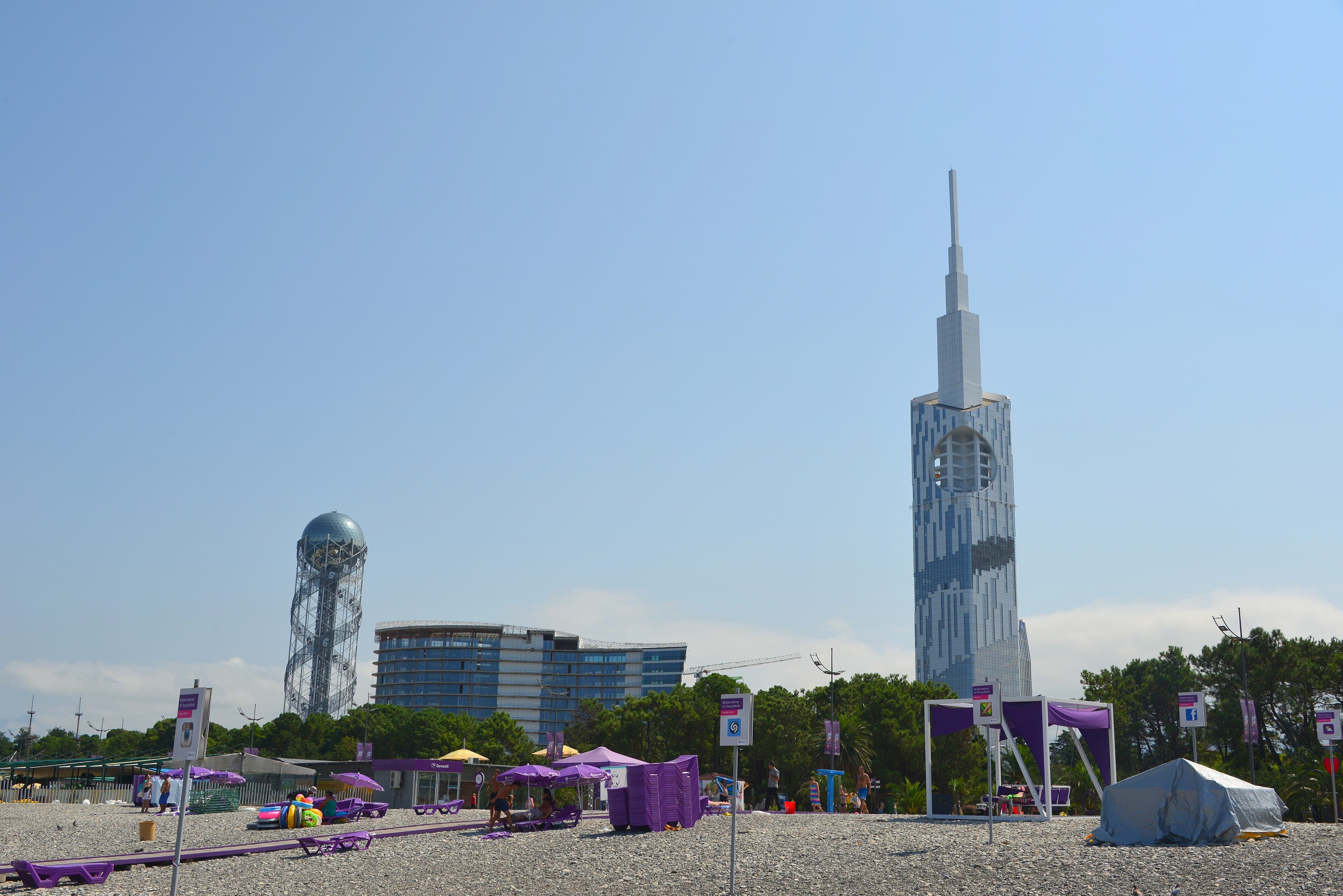
Batumi sold a record 17,478 apartments in 2025. The number the brochures leave out is what yields did.
Galt & Taggart, the research arm of one of Georgia's largest banks, has published its 2025 review and 2026 outlook for Batumi residential property. The top of the report is everything a coastal developer wants on a billboard.
In 2025, Batumi sold 17,478 apartments, up 15% on the year. The market crossed $1.3 billion in value, a jump of nearly 24%. Primary prices rose 9.4% to an average of about $1,865 per square metre; the secondary market rose 6.9% to roughly $1,450. By every volume measure, this was a strong year for the Black Sea coast.
Now read to the end of the same report. Three lines there matter more to a buyer than the headline, and none of them will be on the billboard.
Yields fell for the third year running
This is the line that should change how you underwrite. Batumi's gross rental yield has dropped in a clean, three-year staircase:
- 2023: about 10%
- 2024: about 8.8%
- 2025: about 7.4%
The reason is not falling rents. It is that prices have run ahead of rents. When the price of the flat climbs 9.4% and the rent it earns does not keep pace, the yield, which is just rent divided by price, compresses. A record sales year and a falling yield are not a contradiction; the first is causing the second.
And 7.4% is the gross figure, the optimistic one. Galt & Taggart's own work puts realistic net yields, after maintenance, management, agency fees and the void weeks every coastal flat has, at roughly 2% to 4%. That is before Georgia's flat 5% tax on rental income. The brochure quotes you the 7.4%. Your bank statement lives in the 2% to 4%.
Supply is piling up faster than it sells
The second buried line: unsold inventory in surveyed Batumi developments rose about 14% in 2025, to roughly 12,400 apartments sitting finished or near-finished and waiting for a buyer. That is the textbook signature of a market where building has outpaced absorption.
Supply that large does two things to you specifically. It caps price growth, because every motivated seller and every developer with unsold stock is competing for the same finite pool of buyers. And it caps rent, because those same units, once handed over, mostly land on Booking and Airbnb and compete with yours for the same summer guest. More towers do not create more tourists. They divide the existing ones across more keys.
Price growth is forecast to roughly halve
Third line. Galt & Taggart expect primary-market price growth in Batumi to slow from 9.4% in 2025 to about 4% to 6% in 2026, with primary sales broadly flat and the secondary market doing more of the work as that 12,400-unit overhang feeds resale supply.
Note what this does to the most common sales pitch on the coast: "prices are rising fast, buy now before you are priced out." The bank that arranges much of the city's mortgage finance is forecasting growth at roughly half last year's pace, into a market it describes as oversupplied. "Buy now or miss out" and "growth is set to halve into a glut" cannot both be the honest summary. The second one is the one with the report behind it.
How to hold both facts at once
None of this says Batumi is a bad place to own. A 15% jump in transactions and a $1.3 billion market are real signs of a liquid, functioning market, and liquidity matters enormously the day you want to sell. A thin market traps you; Batumi is not thin.
What the data says is narrower and more useful: the easy years are behind this cycle. The phase where a rising tide lifted every off-plan flat and a 9% yield covered a multitude of mistakes is closing. What is left is an ordinary property market where the specific unit, the specific location and the specific net math decide whether you make money, not the city-wide average a seller quotes you.
So the underwriting gets stricter, not looser:
- Underwrite on net, not gross. Start at a realistic 2% to 4% net, then subtract the 5% rental tax, then stress it for the new supply landing next to you. If it still works, it is a real deal.
- Treat the 12,400 unsold units as your competition, because on a booking platform they are. Buy something that wins on location and finish against a flood of similar keys, not something that only sold because the whole market was rising.
- Stop paying for projected appreciation. With growth forecast at 4% to 6% into an oversupplied market, a price that only pencils if the flat appreciates 10% a year is a price you are overpaying today.
- Prefer completed and rent-tested over off-plan promises, in a year when the report itself expects the secondary market to carry more of the load.
The Dila read
A record sales year is exactly the moment a seller has the most ammunition and you have the most reason to slow down. The same Galt & Taggart report that gives them the "17,478 sold, up 15%" line also says yields fell to 7.4% gross, unsold stock rose to 12,400 units, and price growth is set to roughly halve. All four numbers are from the same page. A seller will read you one of them.
Buy in Batumi if the individual flat survives honest net math, sits in a location that fills beyond the summer peak, and is priced so you are not paying today for appreciation the city's own bank does not expect. The record headline is a reason the market is liquid. It is not a reason to skip the arithmetic, and in a year of rising supply and cooling growth, the arithmetic is the only thing protecting you.
Sources: Galt & Taggart, Batumi Residential Real Estate 2025 Review and 2026 Outlook, Investor.ge sector snapshot, Global Property Guide. General information, not investment advice. Verify current figures and any specific property with an independent Georgian adviser before committing funds.
Talk to an independent advisor
We choose, verify and acquire Georgian property on your behalf — paid by you, never the developer.
Book a free consultation