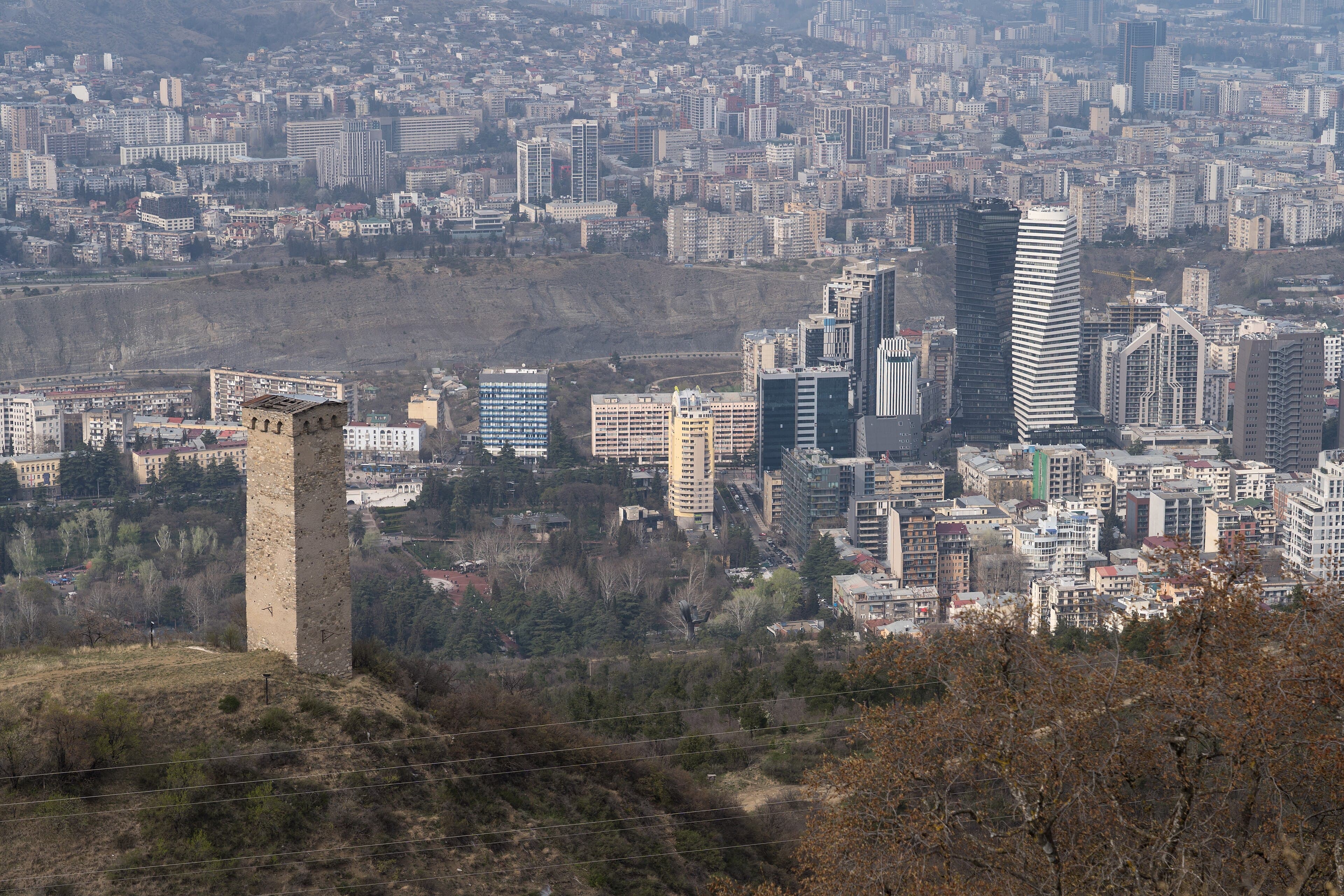
The best address in Tbilisi pays the worst rent. The 2026 yield map a brochure will never show you.
Ask a foreign buyer where they want to own in Tbilisi and you will usually hear the same two or three names: Vake, Mtatsminda, Saburtalo. The prestige districts. The ones with the cafes, the views and the price tag. What almost nobody is told is that, as a rental investment, those are among the weakest addresses in the city.
This is not opinion. It comes straight out of Galt & Taggart's January 2026 Tbilisi residential report, which publishes both the average sale price and the average rent for new apartments in each district. Divide one by the other and you get the gross yield. We did, for all twelve districts, and the result is the inverse of what the brochures sell.
The Tbilisi yield map, January 2026
Average primary-market price and average rent for a typical new 50 to 60 square metre apartment, with the gross yield we calculate from the two. Sorted from the most expensive postcode to the cheapest.
| District | Price US$/m² | Rent US$/m² | Gross yield |
|---|---|---|---|
| Mtatsminda | 3,178 | 12.7 | 4.8% |
| Vake | 2,798 | 15.0 | 6.4% |
| Chughureti | 2,066 | 9.9 | 5.8% |
| Saburtalo | 1,628 | 11.8 | 8.7% |
| Krtsanisi | 1,581 | 10.9 | 8.3% |
| Isani | 1,401 | 10.7 | 9.2% |
| Didube | 1,390 | 9.9 | 8.5% |
| Nadzaladevi | 1,213 | 9.6 | 9.5% |
| Didi Dighomi | 1,096 | 8.7 | 9.5% |
| Samgori | 1,085 | 8.5 | 9.4% |
| Vashlijvari | 1,070 | 9.3 | 10.4% |
| Gldani | 1,050 | 8.6 | 9.8% |
City-wide, Galt & Taggart put the average new apartment at $1,385 per square metre and average rent at $10.2 per square metre in January 2026, for a headline gross yield of 8.9 percent.
What the map actually says
Read the table from top to bottom and the pattern is hard to miss. The two most expensive addresses in the city, Mtatsminda and Vake, sit at the bottom of the yield ranking at roughly 4.8 and 6.4 percent gross. The cheapest addresses, Vashlijvari, Gldani, Samgori and the Didi Dighomi belt, sit at the top at 9.4 to 10.4 percent.
The reason is simple arithmetic. Rents in Tbilisi do not rise nearly as fast as prices do. Vake rent is the highest in the city at $15.0 per square metre, but the price to buy in is so high, $2,798, that the rent cannot keep up. In Vashlijvari you pay $1,070 to buy and collect $9.3 in rent, a far smaller gap. A prestige flat is a better thing to own; a value flat is a better thing to let.
Two honest caveats on the data itself. Mtatsminda's figure rests on a small sample, just 36 recorded sales in the period, so treat its 4.8 percent as indicative rather than precise. Chughureti looks like an outlier, high price but a low 5.8 percent, because its sale prices are lifted by a wave of new riverside development while its rents have not caught up. Real data has texture; we are not going to smooth it out to make a cleaner story.
The part where gross becomes net
Here is the line that matters more than any single district. Every number in that table is gross. It is annual asking rent divided by purchase price, assuming the flat is rented twelve months a year at the headline rate, with no costs deducted. Nobody actually earns that.
Strip it back to what reaches your account:
- Rental income tax of 5 percent, the flat rate for individuals in Georgia.
- Voids. Even a good Tbilisi flat is not let 365 days a year. A few empty weeks between tenants takes a real bite.
- Management and agency if you are abroad, typically a month or more of rent a year.
- Service charges, repairs and furnishing wear, which a new building hides for a year or two and then does not.
Run a headline 8.9 percent gross through that and you land in the mid-single digits net in the strong value districts, and lower still in the prestige ones, where a sub-5 percent gross can net out to something that barely beats a bank deposit. This is exactly why the broader-market gross figure cited across Georgia sits closer to 7.4 percent, and why we keep repeating that you should underwrite on net, not on the brochure's gross.
How we would use this
None of this means buy the cheapest postcode and stop thinking. A 10 percent gross yield in a district with weaker tenant demand, slower price growth or a thinner resale market is not automatically better than 8 percent somewhere more liquid. Yield is one axis. Liquidity, tenant quality, vacancy risk and your eventual exit are the others.
What the map does is strip out the romance. If you are buying to live, buy the address you love and treat the modest yield as the cost of enjoying it. If you are buying to earn, the prestige districts are usually the wrong tool, and the honest money is in the unglamorous belt that no sales office leads with. The mistake we see most often is paying a prestige price and expecting a value yield. The numbers above are why that never adds up.
If you want this run for a specific shortlist, with the gross trimmed to a realistic net for each flat, that is the part we do, and we are paid by you, not the seller.
Sources: Galt & Taggart, Tbilisi Residential Real Estate, January 2026; Global Property Guide, Georgia. Yields are our own calculation from Galt & Taggart's published district price and rent figures, gross of tax and costs. Indicative, not investment advice. Every building and lease differs.
ესაუბრეთ დამოუკიდებელ კონსულტანტს
ჩვენ ვირჩევთ, ვამოწმებთ და ვყიდულობთ ქონებას თქვენთვის — საფასურს იხდით თქვენ, არა დეველოპერი.
უფასო კონსულტაცია